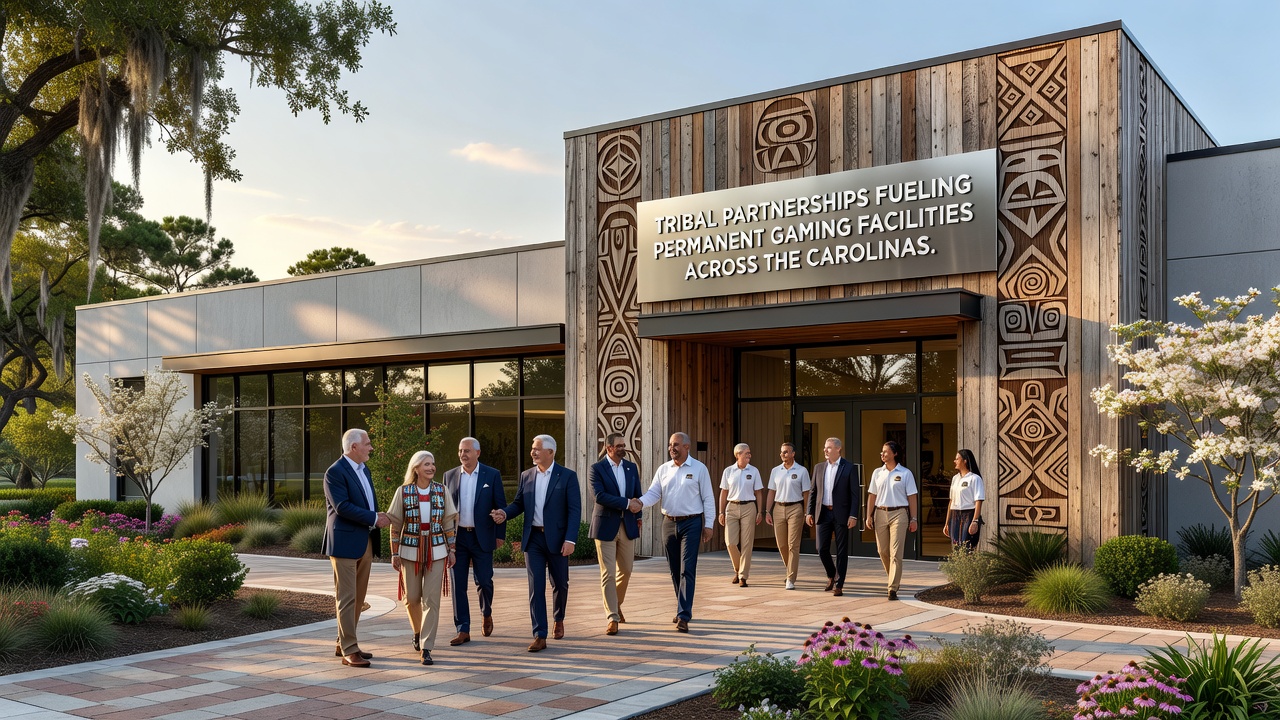
Tribal Partnerships Fueling Permanent Gaming Facilities Across the Carolinas
Tribal partnerships continue to drive the development of permanent gaming facilities throughout North Carolina and South Carolina as sovereign nations collaborate with state entities and industry operators to establish regulated venues. These agreements build on federal recognition processes and compact negotiations that allow tribes to operate casinos on trust lands while adhering to state regulatory frameworks. Data from the National Indian Gaming Commission shows steady growth in tribal gaming revenues across the southeastern United States with multiple projects advancing through permitting stages. The Eastern Band of Cherokee Indians maintains established operations in western North Carolina through facilities that generate significant economic activity for the region. Partnerships with hospitality groups have supported expansions that include additional gaming floors and entertainment amenities. Observers note that these collaborations often involve revenue-sharing models that fund tribal services such as health care and education programs. In South Carolina similar dynamics emerge as tribes pursue land-into-trust applications and negotiate gaming compacts. Several nations have formed alliances with development firms to plan permanent structures rather than temporary setups. These efforts align with broader economic development goals that emphasize job creation and infrastructure improvements in rural areas.Key Developments in North Carolina
North Carolina has seen incremental progress on tribal gaming sites where partnerships between recognized tribes and local governments facilitate zoning approvals and infrastructure investments. The state gaming commission oversees compliance with compact terms that limit the number of machines and table games at each location. Figures from recent fiscal reports indicate that existing Cherokee facilities contribute millions in taxes and fees annually to state and local coffers.
Partnership models frequently incorporate joint ventures that bring in expertise for construction and operations while tribes retain ownership stakes. This approach has allowed for phased openings where initial gaming areas precede full resort builds that include hotels and dining options. Researchers from university economic studies have documented employment multipliers where each direct casino job supports additional positions in supply chains and tourism sectors.
Progress Across South Carolina
South Carolina presents a distinct landscape where tribal groups work through federal and state channels to secure approvals for permanent venues. Partnerships here often focus on border regions near North Carolina to capture regional visitor traffic. State legislation passed in prior years established pathways for compact negotiations that tribes have actively pursued through legal and administrative routes.
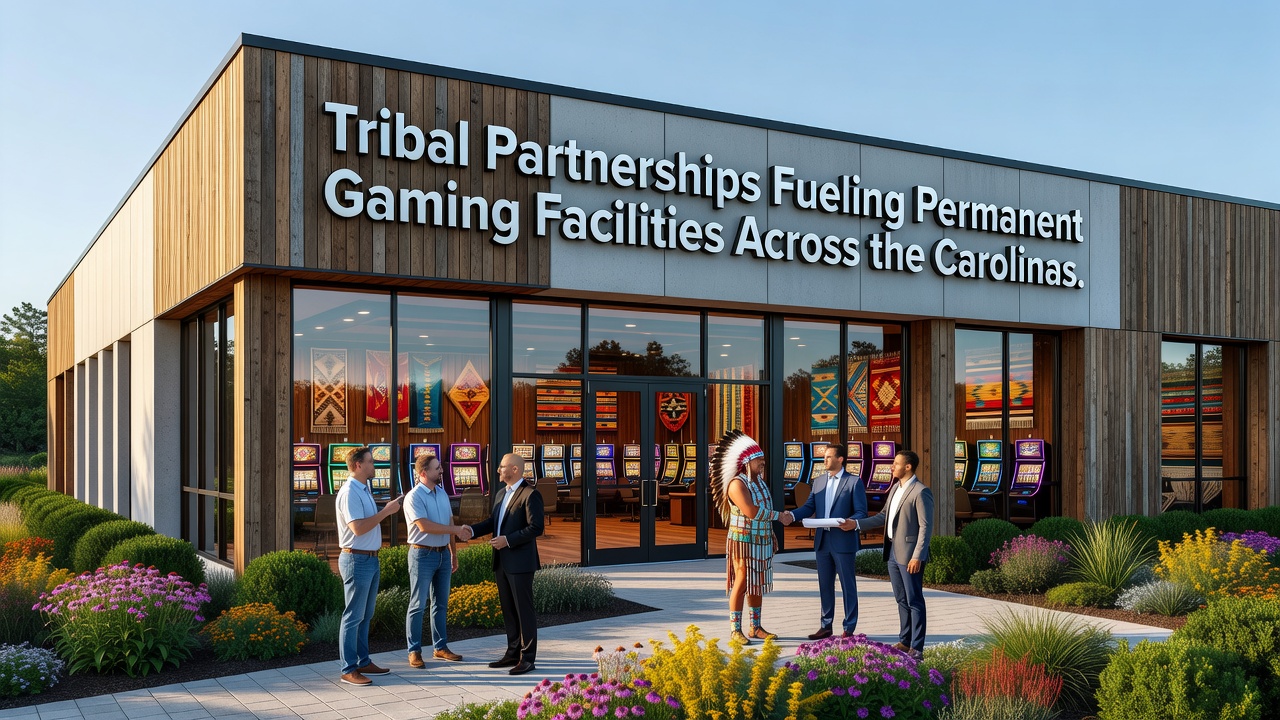
By June 2026 several projects are scheduled to reach operational milestones following years of planning and environmental reviews. These timelines reflect coordinated efforts among tribal councils, state regulators and engineering teams to meet construction deadlines. Data from industry associations reveals that permanent facilities typically achieve higher revenue stability compared to temporary or pop-up operations due to consistent visitor access and marketing capabilities.
Economic and Regulatory Factors
Economic indicators such as tourism recovery and regional population growth influence the pace of these developments across both states. Regulatory bodies at the federal level including the Bureau of Indian Affairs review land trust petitions while state attorneys general handle compact enforcement. Partnerships extend beyond gaming to include workforce training programs that prepare tribal members and local residents for employment opportunities in hospitality and management roles.
Case examples demonstrate how one tribe collaborated with an out-of-state operator to introduce technology upgrades that enhance game variety and player tracking systems. Similar arrangements appear in planning documents for upcoming South Carolina sites where infrastructure choices like server placements affect bonus feature delivery across networked platforms. Those who have examined these projects note that such technical decisions often determine competitive positioning in multi-state markets.
Future Outlook and Milestones
Additional tribal nations in the Carolinas continue to explore partnership opportunities that could lead to further permanent facilities by the late 2020s. These initiatives draw on models established in other regions where gaming compacts have produced sustained revenue streams for community reinvestment. Industry reports from organizations like the National Council of Legislators from Gaming States provide comparative data on regulatory approaches that inform ongoing negotiations.
What's significant is how these collaborations address both economic and cultural priorities by balancing commercial operations with tribal sovereignty considerations. External analyses from academic institutions in Canada have examined similar cross-border tribal gaming frameworks and their applicability to southeastern U.S. contexts though adaptations remain specific to local laws.
Conclusion
Tribal partnerships remain central to the expansion of permanent gaming facilities throughout the Carolinas as nations navigate regulatory pathways and economic opportunities. Continued progress through 2026 and beyond will depend on successful compact implementations and infrastructure completions that support long-term viability for these venues.