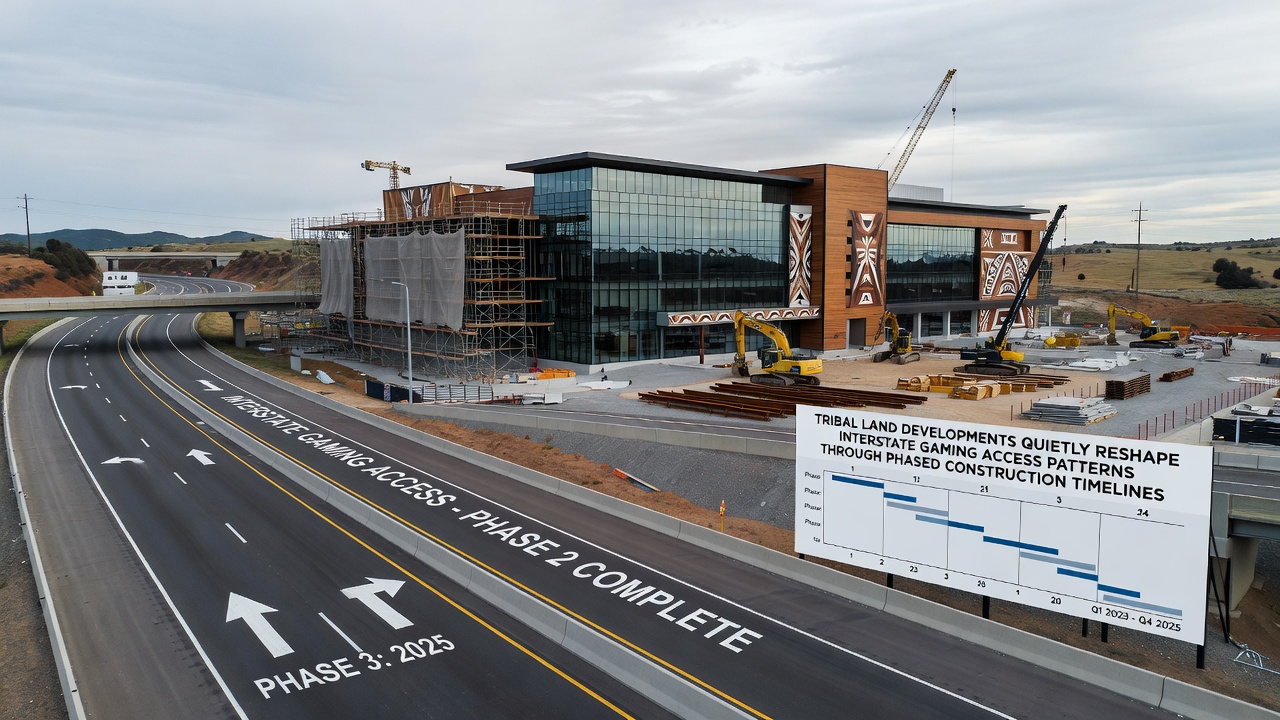
Tribal Land Developments Quietly Reshape Interstate Gaming Access Patterns Through Phased Construction Timelines
Phased construction on tribal lands has started to influence how players move between states for gaming opportunities, and observers note that these timelines create staggered access points rather than sudden market shifts. Data from regulatory filings shows that many tribal nations coordinate building phases to align with federal approvals, environmental reviews, and infrastructure upgrades, which in turn affects cross-border traffic patterns for casino visitors.
According to records maintained by the National Indian Gaming Commission, several projects in the Midwest and Southwest have adopted multi-year timelines that release new gaming floors, hotels, and entertainment venues in sequence. This approach allows tribes to manage cash flow while gradually expanding the number of gaming positions available to residents from neighboring states.
Background on Tribal Gaming Expansion
Tribal gaming operates under the Indian Gaming Regulatory Act, which established the framework for Class II and Class III operations on sovereign lands. Researchers at institutions tracking Native American economic development have documented how reservation boundaries intersect with state lines, creating situations where construction phases on one side of a border can draw visitors from another jurisdiction within months of each new opening.
Phased projects often begin with core gaming facilities before adding amenities such as restaurants, conference centers, and parking structures. This sequence means that initial access improvements occur earlier than full resort capabilities, which can redirect player traffic along interstate corridors before surrounding states complete their own regulatory processes.
How Construction Timelines Affect Access Patterns
Observers tracking visitor data report that staggered openings influence route choices and overnight stays. When a tribal casino completes its first gaming phase, day-trip traffic from adjacent states tends to increase along specific highways, while later phases that include lodging shift more visitors toward extended visits. Figures compiled by state tourism offices indicate measurable changes in hotel occupancy rates near reservation exits during these transition periods.
One study from a regional university economics department found that phased timelines reduce the immediate competitive pressure on nearby commercial casinos because new tribal facilities come online incrementally rather than all at once. This pattern has appeared in multiple corridors where state lines run close to tribal holdings.
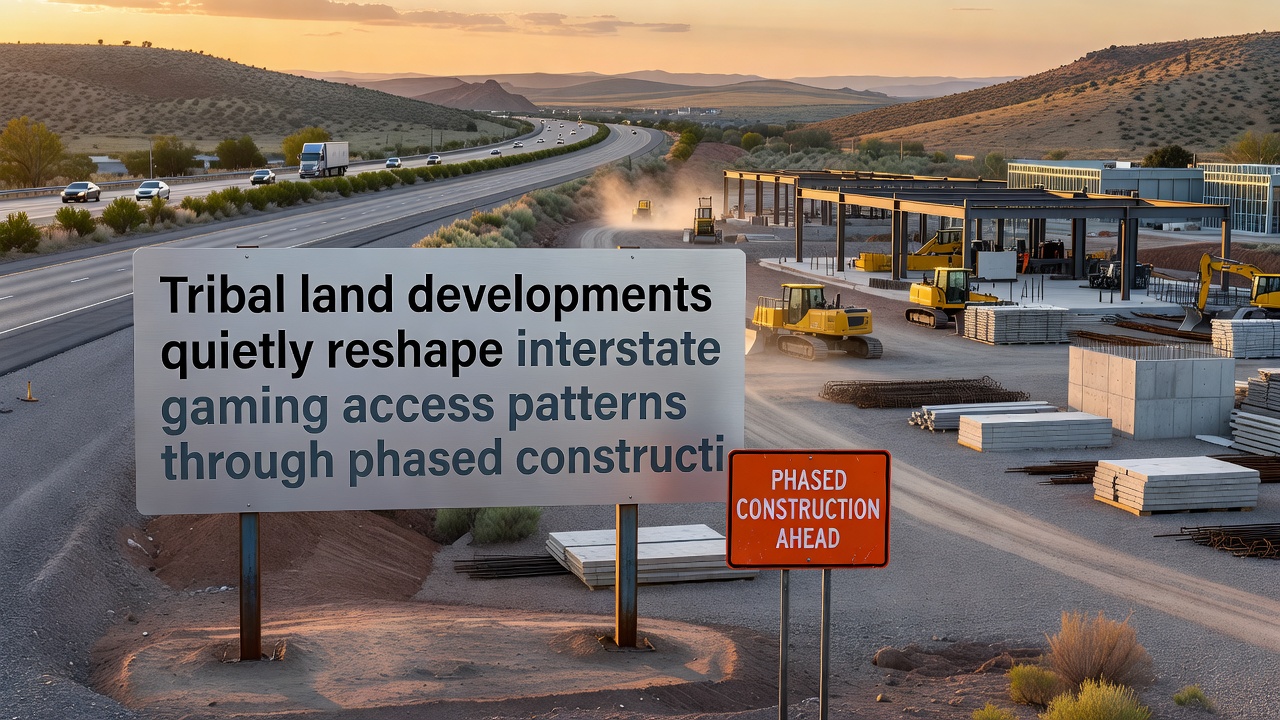
Examples of Ongoing Phased Projects
Several tribal nations have publicized construction schedules that extend into 2026 and beyond. Projects in the Great Lakes region, for instance, have released details showing foundation work and utility installation occurring in 2025, followed by gaming floor activation targeted for spring and summer windows. A July 2026 milestone for one facility's entertainment complex has already prompted preliminary traffic modeling by state transportation departments in two neighboring jurisdictions.
Similar sequencing appears in the Southwest, where water rights negotiations and power grid upgrades dictate the pace of each stage. Because these constraints vary by location, teh resulting access changes do not occur uniformly across all tribal gaming markets.
Regulatory and Infrastructure Considerations
Federal and state agencies review each phase separately under environmental and compact requirements. This segmented approval process means that traffic studies, road improvements, and signage updates often roll out alongside specific construction milestones rather than in a single coordinated effort. Data from the Bureau of Indian Affairs shows that coordination between tribal governments and state departments of transportation has increased as project timelines lengthen.
Regional planning documents indicate that highway interchange modifications frequently coincide with the opening of new casino phases, which can alter drive times for out-of-state visitors. These infrastructure adjustments, when paired with the gradual addition of gaming positions, produce measurable shifts in which border crossings experience higher volumes during peak gaming periods.
Market Implications Across State Lines
Industry reports compiled by gaming trade associations reveal that operators in commercial jurisdictions monitor tribal construction calendars closely. When a neighboring tribal facility enters a new phase, some commercial properties adjust marketing campaigns or player rewards to retain regional customers. The staggered nature of tribal openings gives these operators more time to respond compared with single-event launches.
Cross-border player surveys conducted by independent research firms show that convenience factors such as parking availability and food service rollout influence destination choice during intermediate construction stages. As later phases add hotel rooms and entertainment options, the proportion of overnight stays versus day trips tends to rise.
Conclusion
Phased construction on tribal lands continues to produce incremental changes in interstate gaming access. Because timelines depend on regulatory approvals, infrastructure readiness, and tribal priorities, the resulting visitor patterns develop gradually across multiple years. Records from oversight bodies and transportation agencies document how these developments affect traffic flows, lodging demand, and marketing strategies in adjacent states without creating abrupt disruptions. As additional projects reach milestones such as the July 2026 entertainment complex openings already noted in planning documents, further adjustments in cross-border access patterns are expected to continue along established corridors.