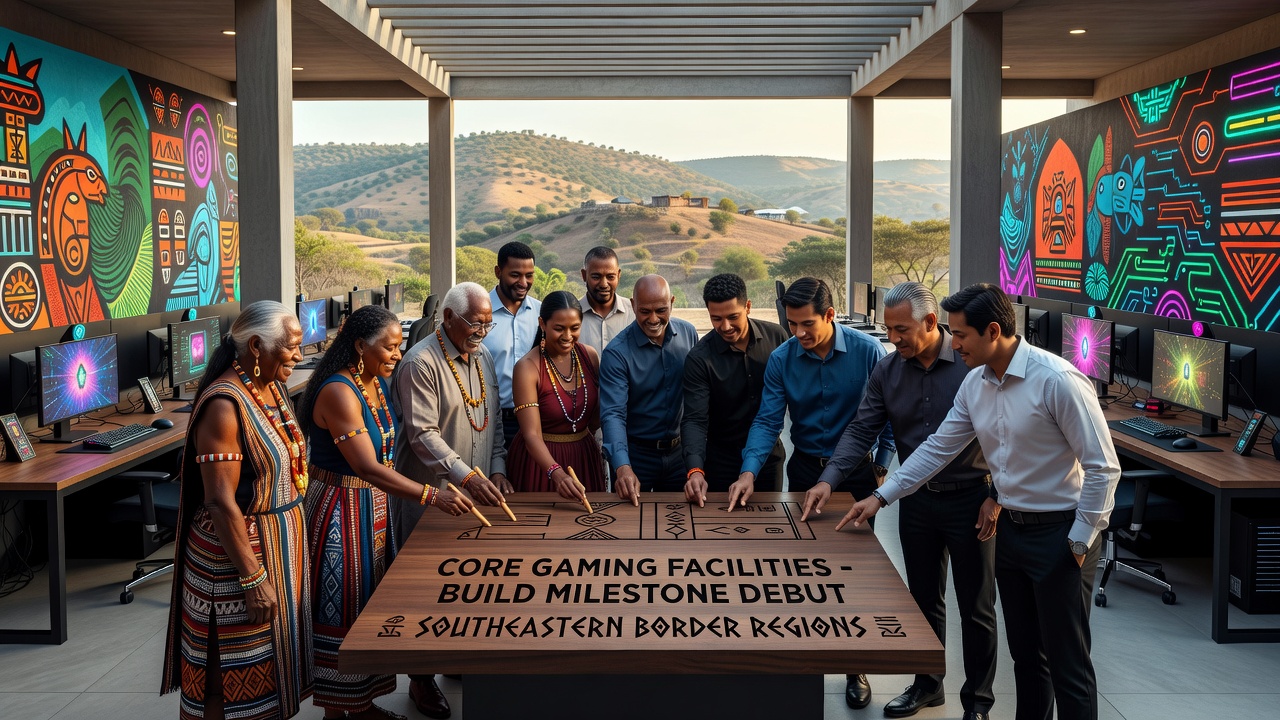
Tribal groups mark key build milestones with debut of core gaming facilities in southeastern border regions
Tribal nations across southeastern border areas have reached significant construction benchmarks this summer, with several core gaming facilities opening their doors in July 2026 as part of broader development timelines that stretch across state lines and federal jurisdictions. These projects involve coordinated efforts between tribal councils, state regulators, and federal oversight bodies that track compliance with the Indian Gaming Regulatory Act while local crews complete final inspections on slot floors, table game pits, and support infrastructure.
Regional development patterns
Observers tracking tribal gaming expansion note that southeastern border zones have seen accelerated activity since early 2025, when multiple nations secured amended compacts that allow limited table games alongside existing electronic gaming options. Data from the National Indian Gaming Commission shows that approved gaming devices in the region increased by 18 percent during the 2025 fiscal year, driven largely by facilities positioned near interstate corridors that connect Alabama, Mississippi, and adjacent states. These placements reflect strategic choices that balance proximity to population centers with requirements for reservation land status under federal law.
One project in particular reached its operational threshold on July 15, 2026, when a newly completed gaming hall began accepting patrons after months of phased testing on its central server systems and surveillance networks. Crews installed over 1,200 gaming positions during the final construction push, while separate teams finalized hotel tower connections that link the gaming floor to existing lodging already in service. Similar timelines have guided other southeastern efforts, where project managers coordinate concrete pours, electrical upgrades, and interior finishes to meet compact-mandated deadlines.
Facility features and operational rollout
Core gaming spaces debuted with standard configurations that include high-volume slot banks, dedicated poker rooms, and multi-station electronic table layouts, all integrated through centralized management platforms that report directly to tribal gaming commissions. These systems underwent third-party certification prior to launch, ensuring random number generator integrity and payout accuracy align with standards applied across multi-state networks. Facility operators report that initial player traffic has aligned with projections derived from regional demographic studies conducted by university research teams in the Southeast.
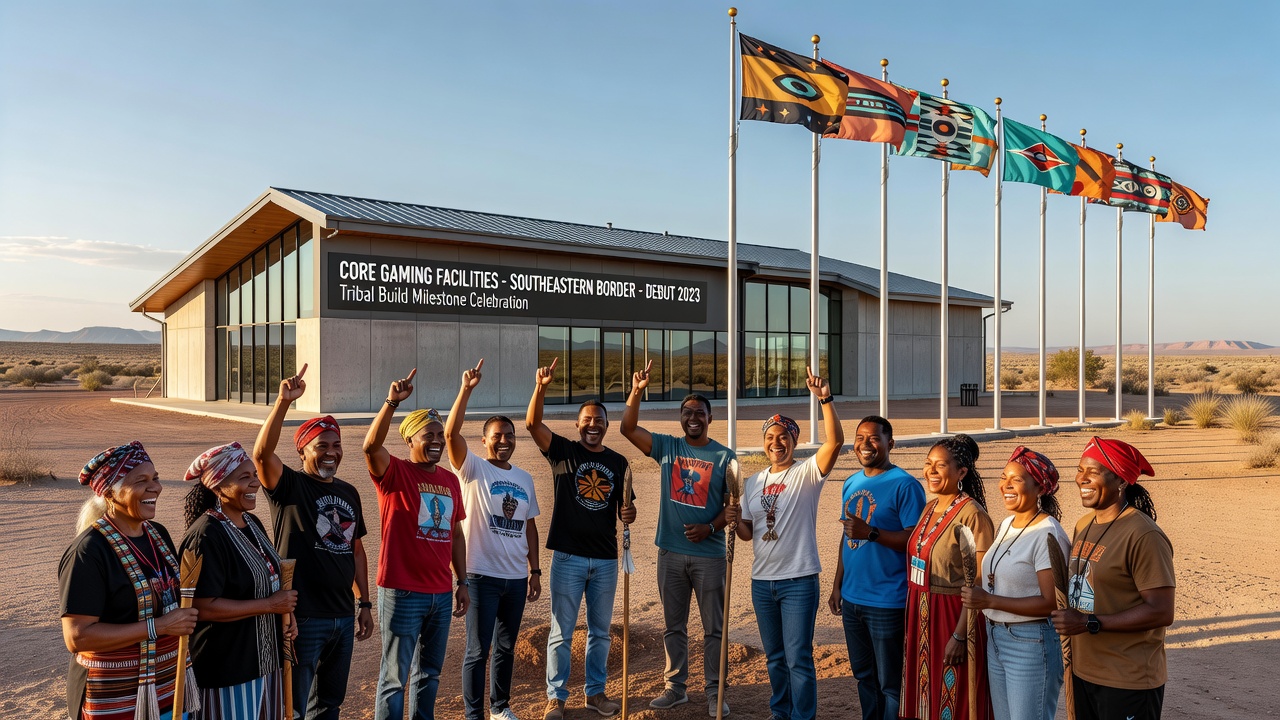
Additional amenities rolled out alongside the gaming areas include expanded food service outlets and parking structures designed to handle peak evening volumes. Construction records indicate that foundation work for these support buildings began in late 2024, allowing parallel progress on both gaming and non-gaming components. Tribal spokespeople have confirmed that hiring for dealer positions, technical support roles, and security teams reached full staffing levels ahead of the July openings, with training programs coordinated through local workforce development offices.
Regulatory and economic context
State gaming control boards in affected jurisdictions have conducted on-site reviews throughout the build process, verifying that all hardware meets technical specifications outlined in current compacts. Figures released by these boards show that revenue-sharing payments from operational tribal facilities in the broader region exceeded $420 million in the most recent reporting period, supporting state programs that range from education initiatives to infrastructure maintenance. This financial flow stems directly from compact terms negotiated between tribal governments and state legislatures over the past decade.
Research institutions outside the immediate region have also examined these developments, including a 2025 report from the Canadian Centre for Gaming Research that compared facility placement strategies across North American tribal lands. That analysis highlighted how southeastern projects often incorporate phased opening schedules, allowing operators to refine traffic patterns before full-scale expansion of hotel and entertainment components. Such approaches reduce initial capital strain while generating early data on player preferences that inform later construction phases.
Future phases and coordination
Additional milestones remain scheduled for late 2026 and into 2027, with several nations planning to introduce expanded amenities once core gaming operations stabilize. These plans include further hotel room additions and event spaces that leverage existing gaming revenue streams. Coordination between tribal planning departments and federal agencies continues through quarterly compliance meetings that address both operational metrics and land-use requirements tied to the original compact frameworks.
Local supply chains have supported these builds through contracts for materials and specialized equipment, with procurement records showing participation from vendors across multiple states. Employment data collected during the construction window indicates that peak workforce numbers surpassed 800 workers at the largest sites, many of whom transitioned into permanent operational roles as facilities activated. This pattern mirrors earlier expansions documented in other parts of the country where tribal gaming infrastructure has matured over successive development cycles.
Conclusion
The July 2026 debuts represent measurable progress on multi-year timelines that connect tribal sovereignty, state regulatory processes, and federal oversight into a single operational reality. As additional phases advance, the southeastern border region continues to demonstrate how coordinated construction schedules and compliance checkpoints can deliver functional gaming spaces that meet both community and regulatory expectations. Ongoing monitoring by established oversight bodies will track performance metrics that inform future compact negotiations and infrastructure decisions across similar projects.