Tribal Gaming Infrastructure Milestones Signal Broader Southeast Market Realignments for Catawba Ventures
Recent infrastructure upgrades across tribal gaming operations have coincided with shifting market dynamics throughout the Southeast, and Catawba Ventures stands at the center of several documented projects that reflect these changes. Data from the National Indian Gaming Commission shows steady increases in facility investments since 2023, with particular emphasis on network capacity and regulatory compliance systems in states like North Carolina and South Carolina.
Infrastructure Developments Underway
Catawba Ventures has advanced multiple phases of physical and digital infrastructure that support expanded gaming operations, including fiber optic installations and upgraded power grids at key sites. These steps align with requirements from state compacts that emphasize secure transaction processing and real-time monitoring, while regional operators note similar patterns in neighboring markets. Observers note that such investments often precede adjustments in partnership structures and revenue-sharing agreements across the Southeast corridor.
By June 2026, several Catawba-led facilities are scheduled to complete core network integrations that enable multi-site connectivity, according to filings with the South Carolina Department of Revenue. This timeline matches broader trends reported by the Indian Gaming Association, where tribes in Alabama and Georgia have also prioritized similar backbone systems to handle increased player volumes and cross-border regulatory reporting.
Market Realignment Patterns
Shifts in Southeast gaming markets appear tied to these infrastructure milestones, as operators adjust locations and service offerings in response to improved connectivity and compliance capabilities. Figures from the U.S. Department of the Interior indicate that tribal gaming revenue in the region grew 12 percent year-over-year through 2025, driven partly by facilities that completed digital upgrades ahead of competitors. Catawba Ventures has positioned its projects to capitalize on these movements, particularly through partnerships that leverage shared data centers and centralized management platforms.
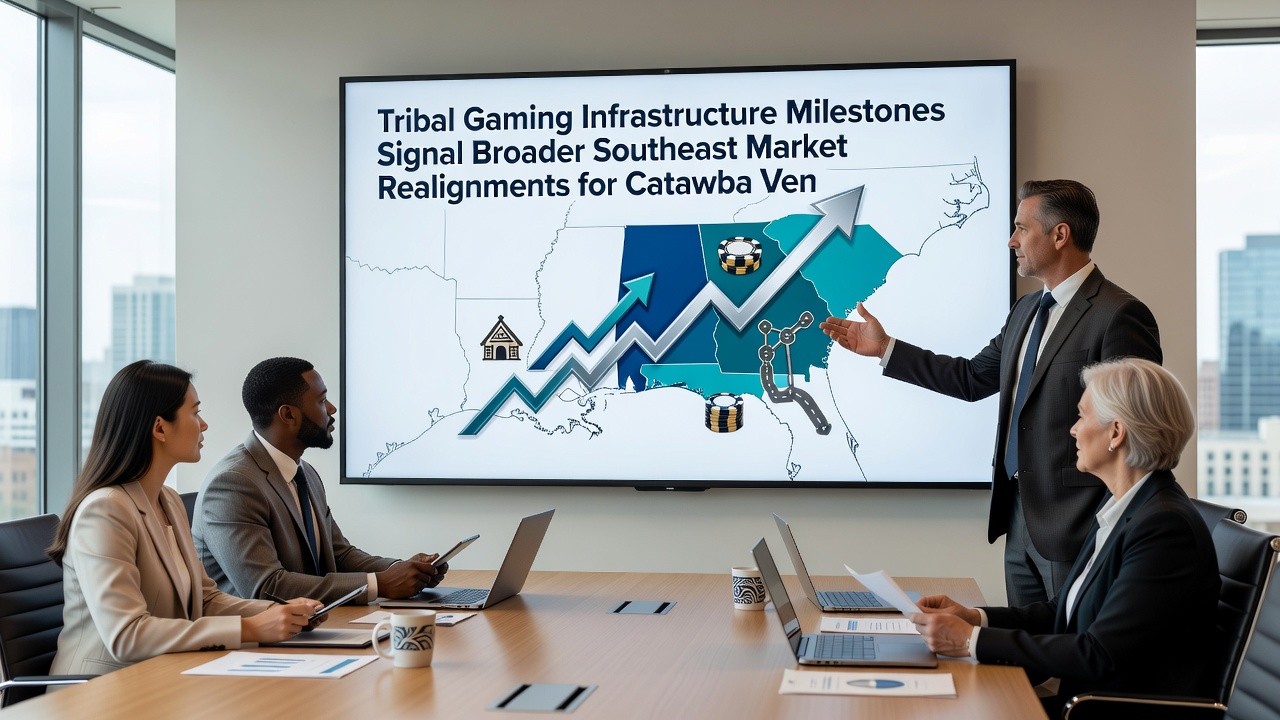
Take one case in North Carolina where nearby tribes completed server farm placements in 2024 that reduced latency for bonus features and player tracking; similar placements are now documented in Catawba project timelines. Those who've studied this landscape point to how such technical choices influence which operators attract new development interest from suppliers and investors. Evidence from industry reports shows that states with updated tribal compacts have seen accelerated site selections once infrastructure thresholds are met.
Regulatory and Economic Context
Regulatory bodies in the Southeast continue to refine approval processes for these infrastructure projects, with the North Carolina Education Lottery Commission publishing guidelines that require detailed technical specifications for new gaming venues. Catawba Ventures has met or exceeded several of these benchmarks in recent submissions, allowing project timelines to advance without extended delays. Researchers at the University of South Carolina documented how these compliance steps correlate with wider market entries by secondary operators seeking to establish satellite locations near established tribal sites.
What's notable is the geographic spread of these realignments, extending from coastal South Carolina developments into inland markets where connectivity had previously lagged. Data compiled by the Canadian Gaming Association on cross-border technology standards highlights parallels that some U.S. tribes have adopted to streamline equipment certification across multiple jurisdictions.
Future Project Timelines
Additional milestones remain on the schedule for Catawba Ventures through late 2026, focusing on energy-efficient systems and expanded surveillance networks that meet federal guidelines. These elements support the operational scaling that market analysts associate with increased competition among Southeast gaming destinations. According to records maintained by the National Indian Gaming Association, tribes that reach these infrastructure stages typically report higher rates of vendor diversification and supply chain integration within two years.
Regional infrastructure choices continue to shape which facilities secure early advantages in player retention and regulatory flexibility, while Catawba Ventures maintains active coordination with state agencies on compliance reporting. Patterns observed in Alabama and Mississippi suggest that similar upgrades will drive further portfolio adjustments among operators seeking Southeast footholds.
Conclusion
Tribal gaming infrastructure milestones continue to intersect with Southeast market realignments, and Catawba Ventures has executed several projects that illustrate these connections. Continued progress on network and facility upgrades through June 2026 will likely influence subsequent development decisions across the region, based on current regulatory filings and revenue data.