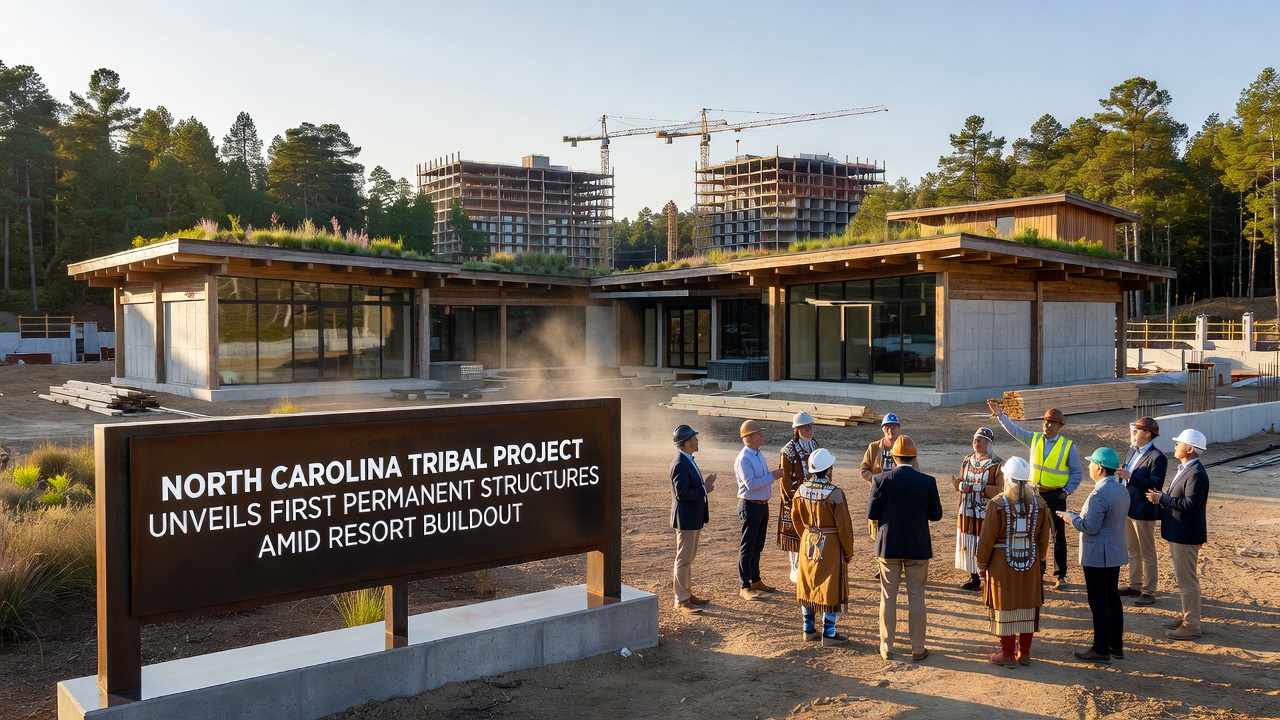
North Carolina Tribal Project Unveils First Permanent Structures Amid Resort Buildout
North Carolina tribal authorities have marked a significant milestone with the unveiling of the first permanent structures in a major resort development that continues to advance through its phased buildout schedule, and observers note steady progress on infrastructure elements designed to support expanded operations by July 2026. The project incorporates multiple phases where initial foundations and core buildings now stand completed while surrounding site work proceeds in parallel, allowing teams to integrate utilities and access roads without delay.
Project Background and Timeline
Development plans originated from agreements between tribal leadership and state regulators several years ago, establishing a framework that balances economic goals with environmental reviews, and data from regional planning documents shows how permitting timelines aligned with federal guidelines from the U.S. Department of the Interior. Construction crews have focused first on essential buildings that provide operational support before moving into guest-facing areas, whereas later stages will introduce entertainment venues and lodging towers.
Site preparation began with extensive grading and drainage improvements that addressed local topography challenges, yet crews maintained schedules by coordinating material deliveries through established supply chains. Figures released by project managers indicate that approximately 35 percent of the overall footprint has reached structural completion as of mid-2026, highlighting efficient resource allocation across concurrent work zones.
The Unveiling of Initial Structures
During a July 2026 ceremony, tribal officials presented the completed administration building and maintenance facility to community members and invited partners, and these structures represent the first above-ground permanent elements after months of groundwork. Attendees toured the spaces where mechanical systems already operate at full capacity, while exterior finishes reflect regional architectural influences that blend with the surrounding landscape.
Project documentation confirms that these buildings include reinforced foundations capable of supporting future vertical expansions, although current occupancy remains limited to staff functions. Additional concrete pours for adjacent utility corridors continue daily, connecting the new facilities to existing electrical and water networks that were upgraded earlier in the year.
Construction Progress and Methods
Engineers have employed modular assembly techniques for several components to accelerate timelines, and prefabricated sections arrive on-site ready for integration with cast-in-place elements. This approach reduces weather-related delays common in the Piedmont region, while quality control teams conduct inspections at each stage to meet state building codes.
Heavy equipment operates across multiple zones simultaneously, moving earth for parking areas and service roads that will eventually link to nearby highways. Reports from the North Carolina Department of Transportation detail traffic management plans implemented during peak construction hours, ensuring minimal disruption to surrounding communities.
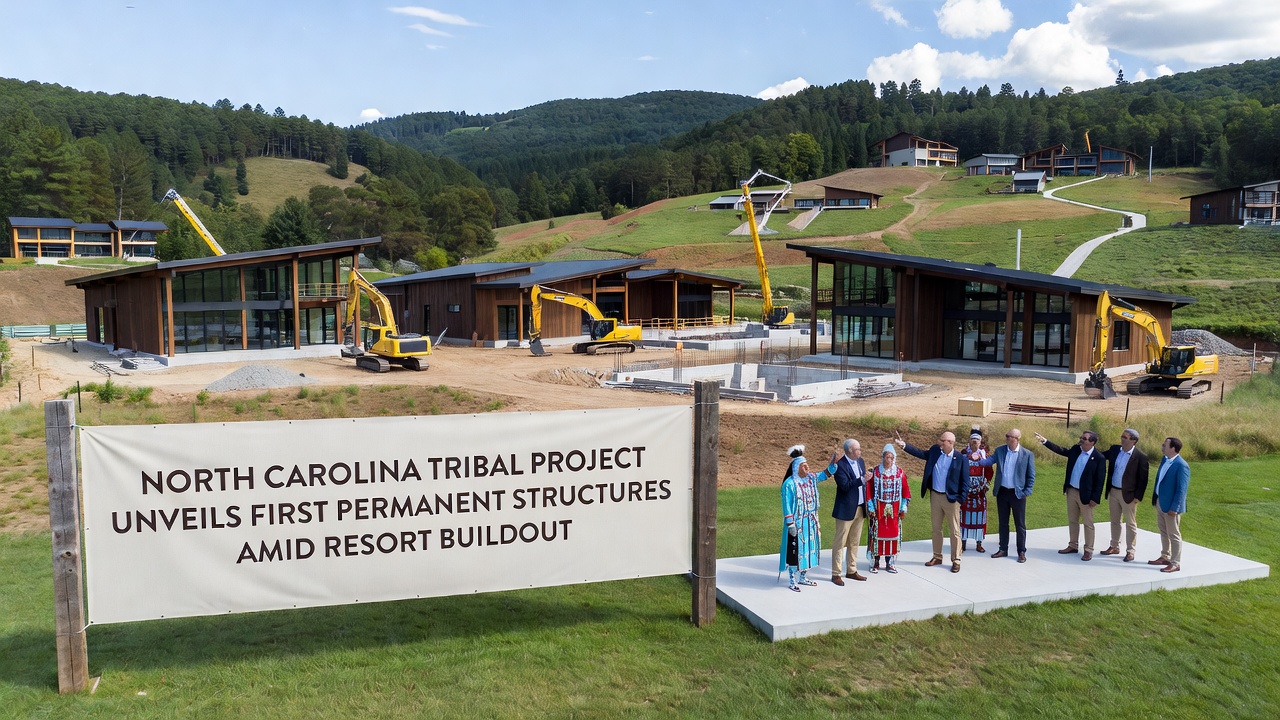
Material sourcing draws from both local suppliers and regional distributors, which helps control costs and supports employment within the state economy. Steel and concrete volumes tracked in progress logs exceed initial projections by small margins due to design refinements that enhance durability against seasonal temperature variations.
Economic and Community Dimensions
Employment figures associated with the buildout show steady hiring across trades, with training programs coordinated through tribal workforce initiatives that prepare local residents for specialized roles. Data compiled by the National Indian Gaming Association indicates similar projects have generated sustained job growth once operational phases begin, although full staffing projections remain tied to later completion dates.
Revenue models outlined in development agreements allocate portions of future proceeds toward community services, and these arrangements follow patterns established in other tribal gaming jurisdictions across the United States. Coordination with county officials continues on infrastructure contributions such as improved water treatment capacity that will benefit both the resort and nearby residents.
Future Phases and July 2026 Outlook
Remaining work includes vertical construction on guest accommodations and entertainment spaces scheduled to commence after utility tie-ins are finalized, whereas landscaping and exterior amenities will follow foundation work on those buildings. Project timelines shared with regulatory bodies project substantial completion of core resort elements before the end of 2027, assuming continued material availability.
Monitoring continues on environmental commitments embedded in permits, including stormwater management systems that exceed minimum requirements. Updates from the development team emphasize ongoing collaboration with state agencies to address any emerging site conditions as work advances into the next quarter.
Conclusion
The unveiling of these first permanent structures marks tangible advancement in the North Carolina tribal resort project, where coordinated construction activities have produced measurable results amid ongoing buildout efforts. Progress through July 2026 reflects adherence to established schedules while incorporating adjustments that maintain compliance with all applicable standards, and further milestones will determine how quickly additional phases reach operational status.