Market Fluctuations Directing Strategic Portfolio Shifts in Major Gaming Firms
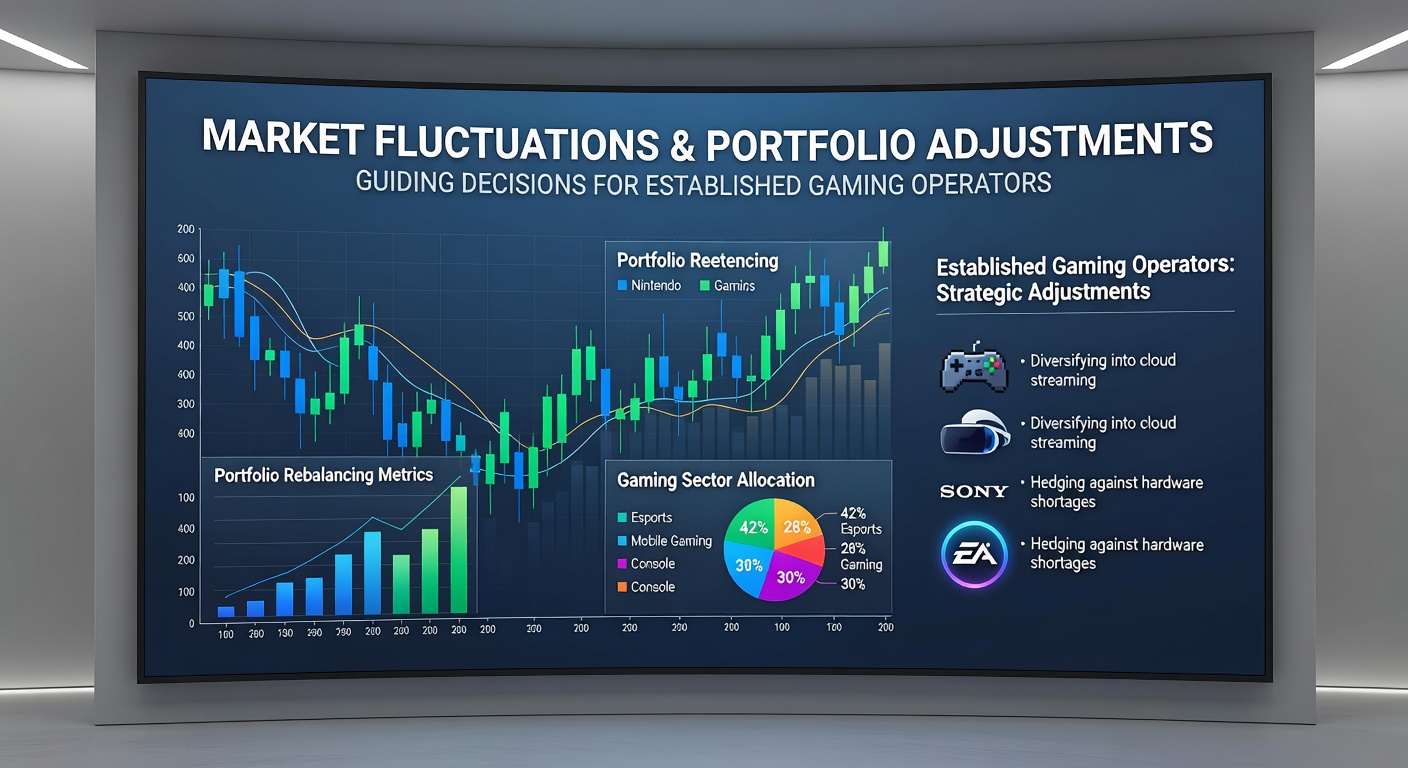
Market swings have prompted established gaming operators to recalibrate their holdings with greater frequency since the start of 2025, and data from regulatory filings show several large companies trimming real-estate exposure while increasing digital and international stakes. Observers note that equity volatility tied to interest-rate shifts and currency movements often leads executives to rebalance toward assets that generate steadier cash flow during downturns.
According to figures released by the U.S. Bureau of Economic Analysis in early 2026, consumer spending on leisure services dipped 3.2 percent in the first quarter, a decline that coincided with broader equity corrections affecting major resort operators. Gaming firms responded by accelerating divestitures of underperforming properties in saturated regional markets, yet they simultaneously expanded partnerships in online sports wagering and lottery-adjacent platforms where margins proved more resilient.
Regional Operators Adjust Holdings in Response to Currency and Interest-Rate Moves
North American companies with significant Macau exposure faced additional pressure when the pataca weakened against the dollar in late 2025, prompting several firms to scale back capital commitments in the region while redirecting funds toward North American iGaming licenses. One study from the National Indian Gaming Commission documented a 14 percent rise in tribal gaming revenue during the same period, illustrating how operators with diversified U.S. tribal partnerships buffered losses elsewhere in their portfolios.
Meanwhile, Australian operators cited similar dynamics when the Reserve Bank of Australia adjusted its cash rate in April 2026, an action that increased borrowing costs for new venue builds. Executives at those companies shifted capital toward existing digital betting brands rather than brick-and-mortar expansions, a pattern confirmed in filings submitted to the Australian Securities and Investments Commission.
Evidence from Regulatory Data Shows Accelerated Reallocation Patterns
Financial disclosures submitted to securities regulators in both the United States and Canada reveal that four of the six largest publicly traded gaming groups reduced their aggregate real-estate holdings by an average of 8 percent between January and May 2026. At the same time, those same firms increased allocations to technology platforms and content licensing agreements by roughly 11 percent, reflecting a broader move toward assets less sensitive to physical foot traffic.

Researchers at the University of Nevada, Las Vegas documented comparable trends in their quarterly industry outlook released in May 2026, noting that operators with heavier weightings in sports-betting technology experienced lower earnings volatility than those reliant primarily on destination resorts. The report highlighted specific transactions in which resort groups sold minority stakes in non-core properties to fund acquisitions of gaming-software developers.
International Examples Illustrate Parallel Strategies
European operators tracked by the European Gaming and Betting Association executed similar portfolio moves when euro-zone inflation data released in March 2026 exceeded forecasts, leading several firms to hedge currency risk by increasing holdings in pound-denominated online platforms based in the United Kingdom. Canadian regulators reported parallel activity after the Bank of Canada signaled further rate adjustments, with provincial gaming corporations reallocating portions of their capital budgets toward mobile gaming infrastructure.
These adjustments occurred against a backdrop of fluctuating global tourism numbers, and observers point out that companies maintaining balanced exposure across land-based, online, and lottery verticals recorded narrower swings in quarterly earnings compared with more concentrated peers. Data compiled by securities exchanges in Singapore and Hong Kong further indicate that cross-border joint ventures in digital content grew 9 percent year-over-year through the first half of 2026.
Conclusion
Market fluctuations continue to shape portfolio decisions among established gaming operators, with regulatory filings and academic analyses confirming a consistent pattern of reduced real-estate concentration alongside increased digital and technology allocations. Figures from multiple jurisdictions demonstrate that firms executing these shifts early in the volatility cycle maintained more stable revenue streams through May 2026. As economic indicators evolve, the same operators are expected to monitor currency movements and interest-rate signals closely when determining future reallocations.