
Interface Design Choices Shaping Pace in Live Dealer Interactions
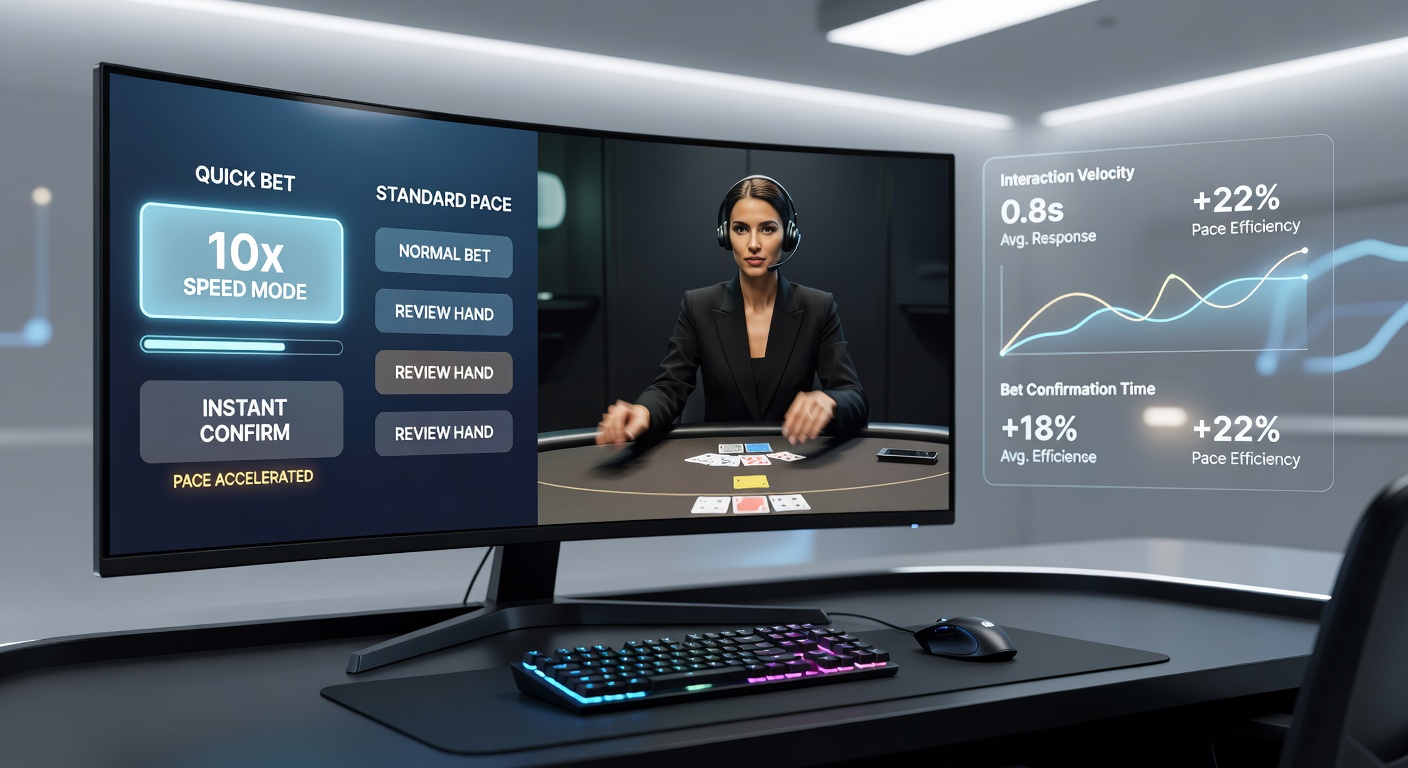
Interface design choices in live dealer platforms directly control how quickly rounds progress and how players move through each betting cycle. Observers note that button placement, animation timing, and camera transitions all combine to set the overall rhythm of games like blackjack and roulette. Data from industry reports shows these elements affect session duration and decision speed without altering the underlying rules of play.
Designers adjust the size and position of betting chips to reduce the time between rounds. Larger touch targets allow quicker selections while smaller confirmation dialogs prevent accidental wagers. Research indicates that platforms using drag-and-drop mechanics rather than repeated taps maintain a steadier pace across different device types.
Camera Angles and Visual Transitions
Multiple camera feeds give viewers control over what they see yet each switch adds milliseconds to the interaction. Experts have observed that automatic angle changes during card reveals speed up the visual storytelling but can distract from betting decisions if overused. Smoother crossfades between dealer close-ups and table overview shots help keep the action moving without forcing players to wait for manual adjustments.
Those studying user behavior report that static wide shots of the entire table often support faster betting because players avoid the cognitive load of switching views. Yet dynamic zooms on community cards create natural pauses that give everyone time to process outcomes before the next round begins.
Timer Mechanics and Decision Windows
Betting timers represent one of the most direct ways interface choices shape pace. Shorter default windows push quicker decisions while optional extensions let players review their hands without halting the entire table. According to figures from the European Gaming and Amusement Association, adjustable timers correlate with higher table utilization rates because they accommodate both fast and deliberate players in the same session.
Visual countdown elements placed near the betting area keep time pressure visible without cluttering the main screen. Color shifts from green to amber to red provide clear signals that help maintain flow rather than abrupt stoppages when the timer expires.
Chat and Communication Layers
Integrated chat functions add social elements yet risk slowing the game when players engage in extended conversations. Minimalist text overlays that appear only when needed preserve the primary focus on dealer actions and betting choices. Platform data reveals that collapsible side panels reduce idle time compared with always-visible chat windows that compete for screen space.
Quick-reply buttons for common phrases like “good luck” or “hit me” let participants communicate without typing lengthy messages. These shortcuts maintain conversational tone while keeping the overall tempo consistent across busy tables.
Device Responsiveness and Loading Sequences
Mobile interfaces demand different layout priorities than desktop versions because smaller screens limit simultaneous display of controls and video feeds. Responsive designs that reflow elements based on orientation help sustain pace when players switch devices mid-session. Studies from the Canadian Gaming Association highlight that optimized loading sequences for video streams cut initial delays and support uninterrupted play once the table connects.
Background preloading of dealer assets and card assets further reduces interruptions between rounds. This approach proves especially useful during peak hours when network congestion might otherwise introduce noticeable lag.
Regulatory Context and Upcoming Developments
Standards bodies continue to examine how interface elements influence responsible play alongside pace management. In May 2026 several jurisdictions plan to review updated guidelines on timer defaults and visual clarity requirements for live dealer products. These reviews draw on aggregated performance metrics from operators across multiple markets to establish baseline expectations for flow and accessibility.
Conclusion
Interface decisions around controls, visuals, timers, and communication tools collectively determine the rhythm of live dealer interactions. Operators refine these elements based on usage data and technical constraints to balance speed with clarity. As platforms evolve, ongoing adjustments will continue to shape how quickly each round unfolds while preserving the core experience of real-time table games.