Decoding RNG Certification Processes That Govern Fairness Standards in Multi-State Digital Gaming Networks
Random number generators form the backbone of digital gaming outcomes across multi-state networks, and certification processes ensure those generators deliver statistically random results that meet regulatory thresholds. Observers note that operators in states like New Jersey, Pennsylvania, and Michigan must submit their RNG systems to independent laboratories before any game goes live, while data indicates these labs evaluate billions of number sequences to verify uniformity and unpredictability. Research shows that certification does not stop at initial approval since ongoing audits track performance metrics and flag deviations that might compromise fairness standards.
Core Components of RNG Certification
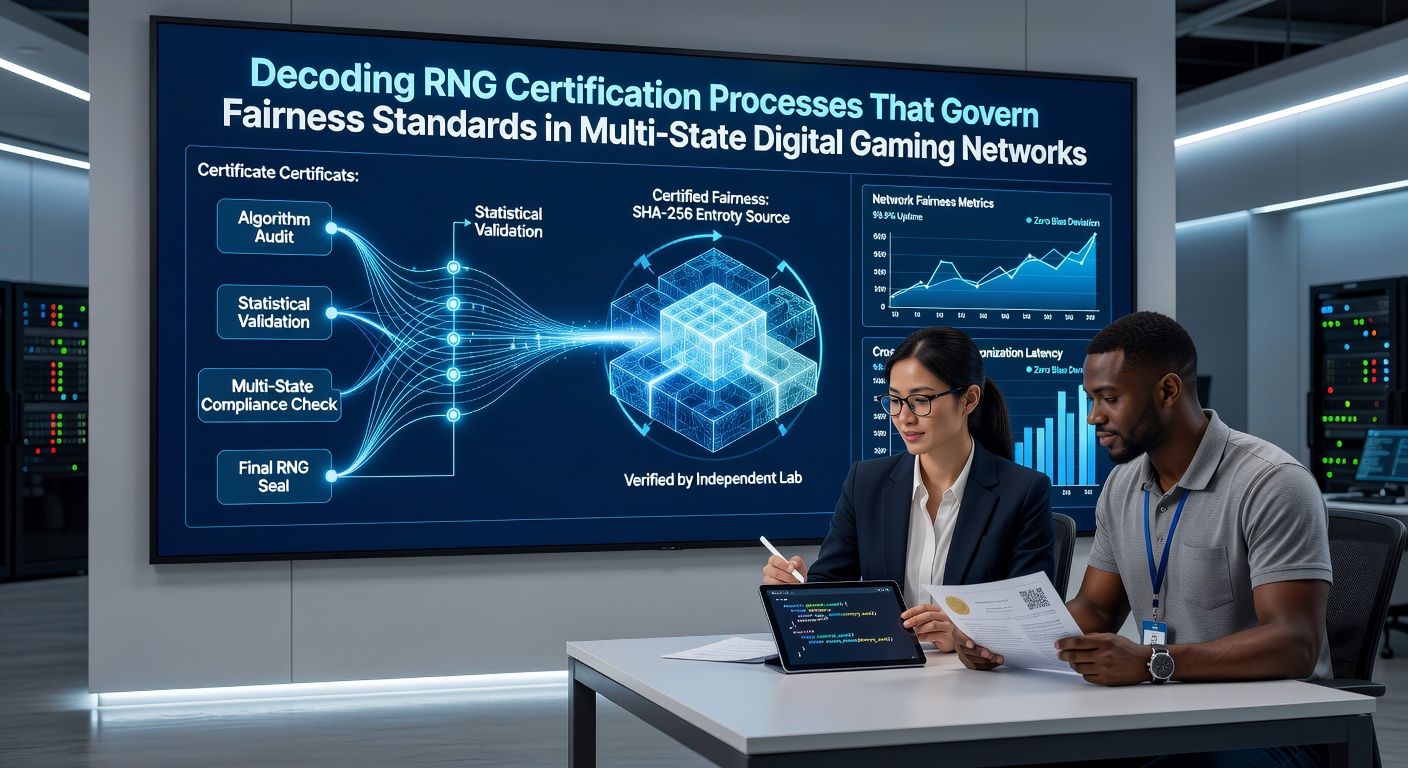
Certification begins with source code review where engineers examine the underlying algorithms and seeding mechanisms that drive each generator, and labs such as those accredited by the International Association of Gaming Advisors apply statistical batteries including the DIEHARD and NIST suites to measure randomness quality. Those who've studied the process know that hardware RNGs undergo environmental stress testing to confirm stability under varying temperatures and voltages, whereas software-based solutions receive additional scrutiny for entropy sources pulled from system events or cryptographic libraries. Figures reveal that a single certification cycle often spans four to eight weeks depending on game complexity and the volume of titles submitted simultaneously.
Multi-State Coordination and Uniform Standards
Multi-state digital gaming networks require operators to satisfy overlapping regulatory frameworks, so certification reports accepted in one jurisdiction frequently receive recognition in others through memoranda of understanding. As of June 2026 several states have aligned their RNG testing parameters around a common set of minimum entropy thresholds and audit frequencies, which reduces duplication for companies operating across borders while maintaining each commission's authority to impose additional requirements. Experts have observed that this harmonization emerged after years of bilateral discussions among gaming control boards and has allowed faster market entry for new titles without sacrificing oversight.
But here's the thing: even with shared standards, individual states retain the right to conduct supplemental reviews or demand real-time monitoring feeds that feed directly into their compliance portals. Data from regulatory filings shows that discrepancies between state-specific rules most often appear in the handling of progressive jackpot pools and the frequency of third-party re-testing after software updates.
Testing Protocols and Statistical Benchmarks
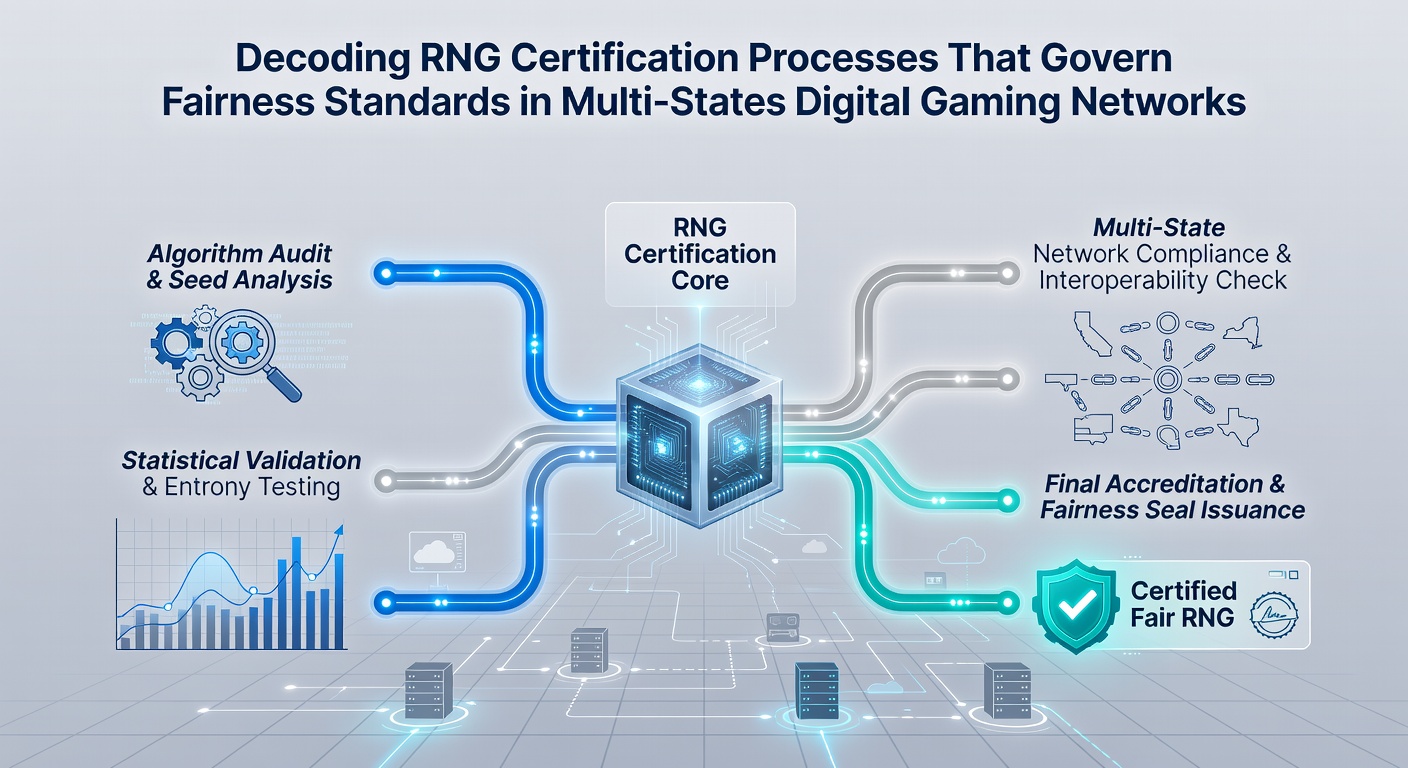
Laboratories subject RNG outputs to chi-square tests, serial correlation analysis, and runs tests that detect any clustering or repetition patterns, and certification passes only when results fall within predefined confidence intervals across millions of trials. Researchers discovered that modern certification also evaluates the cryptographic security of seed generation to prevent prediction attacks, while observers note that live dealer studios sometimes integrate separate RNG streams for side bets that require their own dedicated certification files. Those who've examined audit reports know that any failure triggers a remediation window during which developers must document code changes and resubmit for full re-evaluation.
Regulatory Bodies and Accreditation Pathways
Accredited testing facilities maintain ISO 17025 certification and receive periodic oversight from bodies such as the New Jersey Division of Gaming Enforcement, which publishes technical standards that labs must follow when evaluating multi-state platforms. Additional recognition comes from regional associations that track laboratory performance across North America and parts of Europe, ensuring consistent application of fairness metrics. Industry reports indicate that operators increasingly request joint certifications that satisfy multiple jurisdictions in a single engagement, shortening time-to-market while preserving each regulator's final sign-off.
Challenges in Evolving Network Environments
Cloud-based gaming architectures introduce new variables for RNG certification because virtual instances can migrate between servers located in different states, and regulators have responded by requiring geofencing verification plus continuous logging of instance locations. What's interesting is that blockchain-integrated games add another layer since on-chain random functions must still undergo traditional statistical validation even when the underlying ledger provides transparency. Figures reveal that re-certification after major infrastructure shifts now accounts for roughly thirty percent of annual lab workload, underscoring the dynamic nature of compliance in distributed networks.
Conclusion
RNG certification processes continue to adapt as multi-state digital gaming networks expand and incorporate new technologies, yet the fundamental requirement remains unchanged: every certified generator must produce outcomes that cannot be distinguished from true randomness by any statistical measure regulators apply. Ongoing collaboration among state commissions, accredited laboratories, and operators ensures that fairness standards keep pace with technical innovation while preserving public trust in the integrity of each game offered across jurisdictional lines.