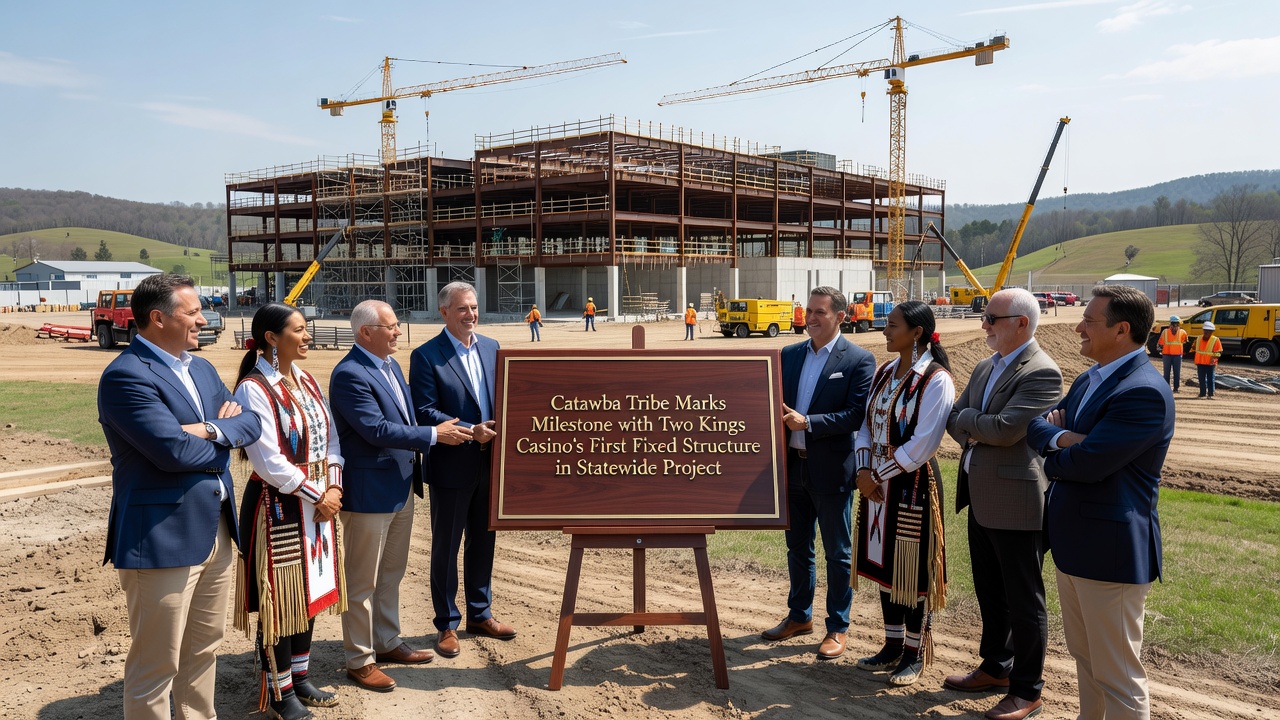
Catawba Tribe Achieves Construction Milestone at Two Kings Casino Site
The Catawba Indian Nation has reached a significant point in its North Carolina gaming initiative with the completion of the initial fixed structure at the Two Kings Casino location. This development forms part of a broader statewide effort that involves coordinated planning across multiple regulatory and tribal channels. Construction crews installed the foundational elements of the structure during the spring phase, and observers note that this marks the shift from temporary setups to permanent facilities. The project builds on earlier approvals granted by state authorities and federal gaming regulators. Data from the National Indian Gaming Commission shows that tribal gaming operations across the United States generated substantial revenue streams in recent years, with North Carolina emerging as a newer participant in regulated markets. The Catawba effort integrates with existing infrastructure plans that include transportation upgrades and utility expansions managed through partnerships with local governments.Project Background and Regulatory Framework
State records indicate the Catawba Nation secured compact agreements that outline operational standards for the casino complex. These agreements cover licensing requirements, revenue sharing mechanisms, and compliance protocols that align with both tribal sovereignty and state oversight. Officials from the North Carolina Department of Commerce have documented how such projects contribute to regional economic metrics, including job creation figures tracked through annual labor reports.
Planners divided the overall initiative into distinct phases to allow for phased permitting and environmental reviews. The first permanent structure represents the end of the preparatory stage and the start of vertical construction. Engineers have confirmed that the building will house core gaming areas along with support services, while subsequent phases will add hotel towers, dining venues, and entertainment spaces.
Construction Details of the Initial Fixed Structure
Work on the structure began after final site preparation cleared regulatory hurdles in late 2025. Crews used prefabricated components to accelerate assembly, a method that has appeared in other large-scale tribal projects in the Southeast. The building footprint covers approximately 80,000 square feet according to submitted architectural filings, and materials include reinforced concrete and steel framing rated for regional wind and seismic conditions.
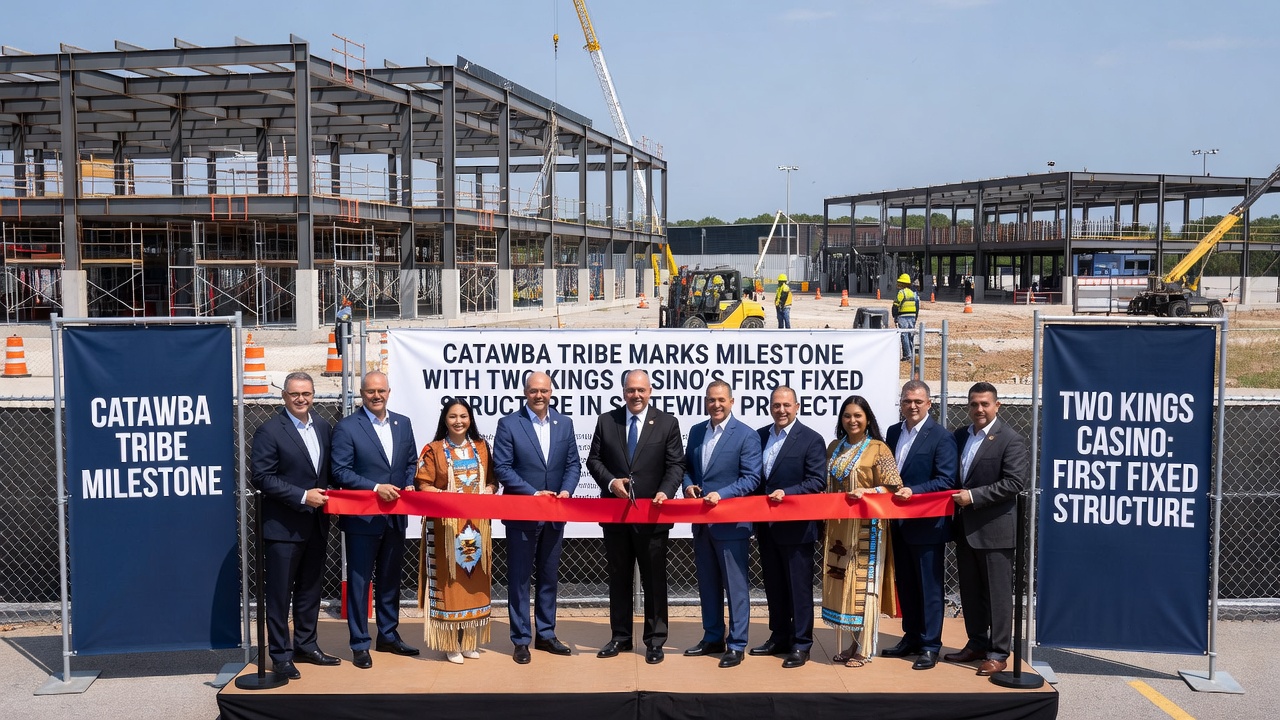
Project timelines list a target completion window that extends into mid-2026, with July 2026 cited in updated schedules as the period when interior fit-out work could begin. Electrical and plumbing rough-ins are already underway inside the completed shell, and inspectors have conducted preliminary walkthroughs to verify code adherence. Contractors report that supply chain coordination has remained steady despite broader industry pressures on material availability.
Statewide Project Scope and Timeline Connections
The Two Kings development connects to a larger framework that includes additional tribal and commercial gaming sites planned across North Carolina counties. State legislation passed in prior sessions established the legal pathway for these expansions, and regulators continue to review applications from other nations and operators. Figures released by the North Carolina General Assembly detail projected tax contributions once facilities reach full operation, with allocations directed toward education and infrastructure funds.
July 2026 serves as a checkpoint in the master schedule because it coincides with anticipated certification reviews by gaming control boards. At that point, officials expect to evaluate whether the first structure meets all technical specifications before authorizing equipment installation. Similar milestone reviews have guided progress at comparable projects in neighboring states, where staggered openings helped manage workforce training demands.
Economic and Community Considerations
Employment projections attached to the project estimate several hundred construction positions during the active build period, followed by permanent roles once operations commence. Training programs coordinated through local community colleges have already enrolled participants, according to enrollment summaries published by the North Carolina Community College System. These programs focus on hospitality, gaming operations, and facilities maintenance to align with anticipated staffing needs.
Revenue models developed by economic analysts at regional universities project direct and indirect effects on surrounding municipalities. Studies from institutions such as the University of North Carolina system have examined comparable developments and noted measurable increases in local business activity within a defined radius of casino sites. The Catawba project incorporates design elements intended to support tourism flows that could extend to nearby attractions and lodging providers.
Conclusion
The installation of the first fixed structure at the Two Kings Casino site advances the Catawba Nation's multi-year development plan while contributing to North Carolina's expanding regulated gaming sector. Continued progress through 2026 will depend on sustained coordination among tribal leaders, state agencies, and construction partners. Updates to the project schedule remain available through official filings maintained by the relevant oversight bodies, and stakeholders continue to monitor milestones that shape the eventual opening sequence.