Catawba Nation's Strategic Moves Highlight Two Kings Casino Path to Full Resort Status
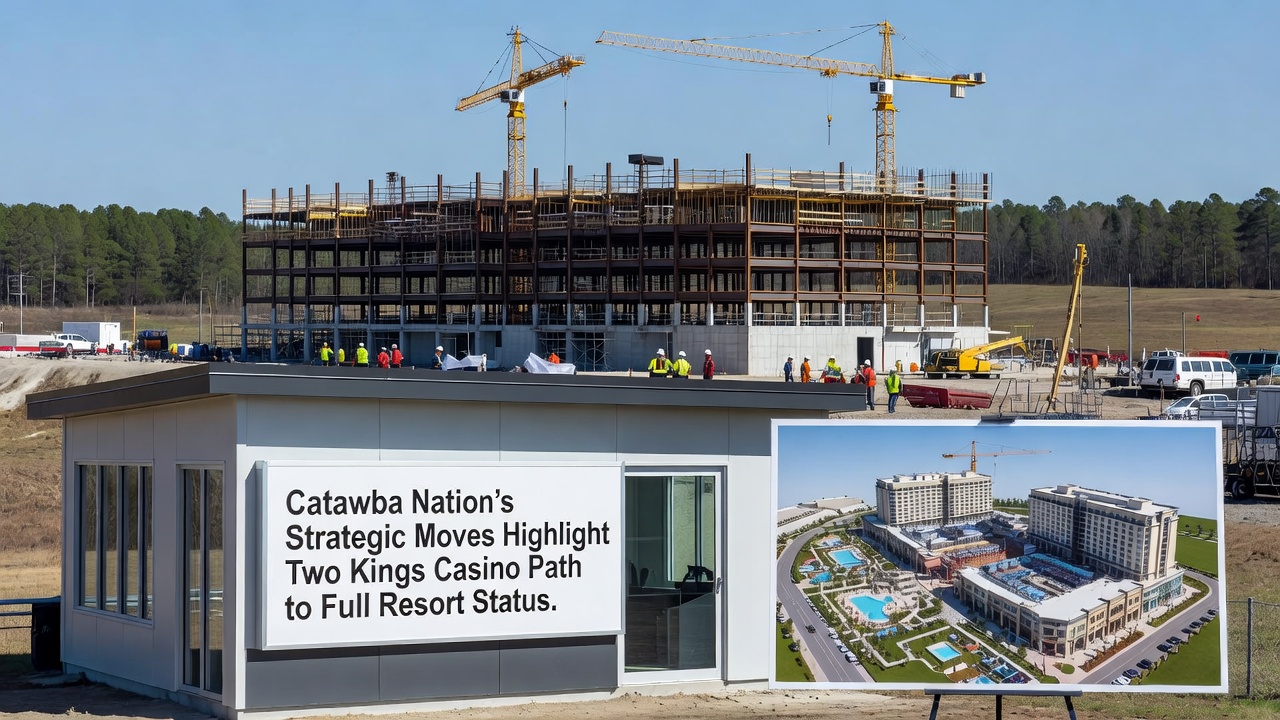
The Catawba Nation continues its push toward developing Two Kings Casino into a complete resort destination in Kings Mountain, North Carolina, and recent decisions around infrastructure and partnerships have moved the project forward in measurable ways. Construction crews have advanced site preparation while tribal leaders coordinate with state agencies on permitting steps that clear the way for expanded facilities beyond the initial gaming floor.
Project Background and Early Development
Two Kings Casino sits on land held in trust for the Catawba Nation after federal recognition restored in 1993, and the tribe secured a compact with North Carolina that authorizes Class III gaming under the Indian Gaming Regulatory Act. Early phases focused on a temporary facility that opened in late 2021, yet planners always intended a permanent structure with hotel rooms, multiple dining options, and entertainment venues that together define full resort status.
Data from the National Indian Gaming Commission shows tribal gaming revenue across the United States reached $41.9 billion in fiscal year 2023, and the Catawba Nation has positioned Two Kings to capture a share of that market through location advantages near Charlotte and major interstate corridors. Strategic land purchases adjacent to the main parcel have increased the developable footprint, while environmental reviews required by the Bureau of Indian Affairs concluded without major delays.
Key Strategic Moves in 2025 and 2026
Tribal council votes in 2025 approved financing packages that combine internal capital with bond issuances and hotel operator agreements, and these arrangements have accelerated concrete pours and steel erection on the main casino building. Officials also negotiated access to regional water and power upgrades that will support larger event spaces and a planned 300-room hotel tower, while workforce training programs launched in partnership with local community colleges prepare residents for hospitality and gaming positions.
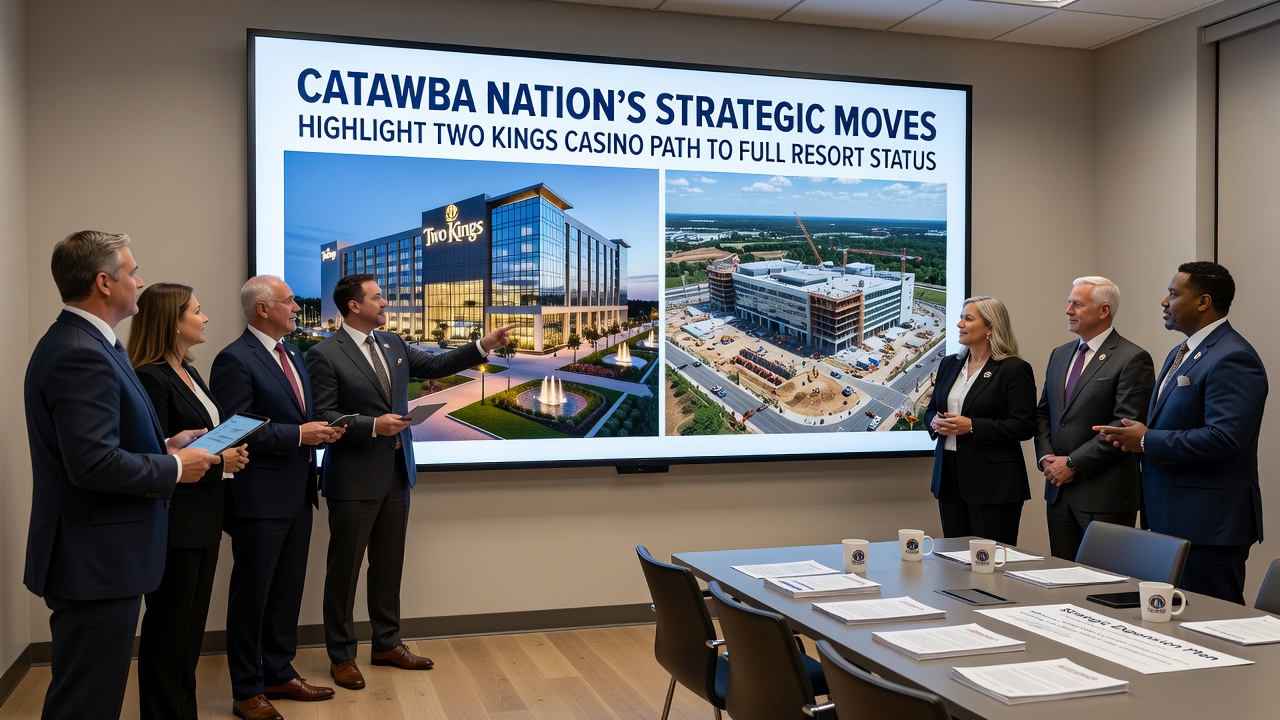
By June 2026, the project timeline calls for completion of the gaming floor and several restaurants, followed by phased openings of the hotel and convention center later that year. Observers note that these sequenced milestones reduce risk compared with simultaneous construction of every amenity, and the approach mirrors successful models used by other tribal resorts in the Southeast.
Infrastructure and Regulatory Progress
State transportation officials have included casino-area road improvements in the current North Carolina Department of Transportation work plan, and federal grants secured through the Indian Reservation Roads Program will fund additional access routes. These upgrades matter because traffic studies project daily visitor counts that exceed current road capacity once the resort reaches full operation.
Regulatory filings with the North Carolina State Gaming Commission remain on schedule, and the tribe has submitted detailed floor plans that incorporate responsible gaming measures required under the compact. Background checks for key employees have already begun, while software certification for slot machines and table games proceeds through approved testing laboratories.
Economic Impact and Regional Partnerships
Projections prepared by the tribe's economic development office estimate that full resort operations will generate more than 1,200 permanent jobs and contribute tens of millions annually in local taxes and vendor spending. Nearby municipalities have formed joint planning committees with Catawba representatives to coordinate emergency services and housing needs that arise from increased employment.
One study released by the University of North Carolina at Charlotte examined similar tribal gaming projects and found measurable increases in county-level employment within three years of opening, although outcomes depend on the scale of non-gaming amenities added during later phases. The Catawba Nation has cited these findings while finalizing contracts for a spa, retail promenade, and outdoor amphitheater that will broaden appeal beyond gaming visitors.
Future Timeline and Remaining Steps
Construction updates posted on the project website indicate that the permanent casino structure will reach substantial completion by spring 2026, and interior fit-out work will intensify through the summer months. June 2026 therefore marks a pivotal window when the tribe expects to conduct final inspections and begin staff training ahead of a public opening later that month.
Additional agreements still under discussion include entertainment booking partnerships and marketing alliances with regional tourism boards, and these elements will help establish Two Kings as a year-round destination rather than a day-trip gaming stop. The Catawba Nation continues to monitor legislative developments at both state and federal levels that could affect compact terms or land-into-trust processes, yet current momentum points toward steady advancement of the resort vision.
Conclusion
Through measured financing, infrastructure coordination, and sequenced construction, the Catawba Nation has positioned Two Kings Casino to transition from temporary gaming site to full-scale resort by the end of 2026. The strategic choices documented so far reflect standard practices in tribal economic development while addressing specific local conditions in North Carolina, and the timeline leading into June 2026 will reveal whether those choices deliver the intended operational scale.