
Billionaire Bids Target Major Strip Operators for Take-Private Transactions
Billionaire Tilman Fertitta submitted a $17.6 billion offer to acquire Caesars Entertainment and take the company private while media mogul Barry Diller's People Inc. followed with an approximately $18 billion proposal for MGM Resorts International that would likewise remove the largest Strip operator from public markets if both transactions receive regulatory approval.
Details of the Caesars Entertainment Offer
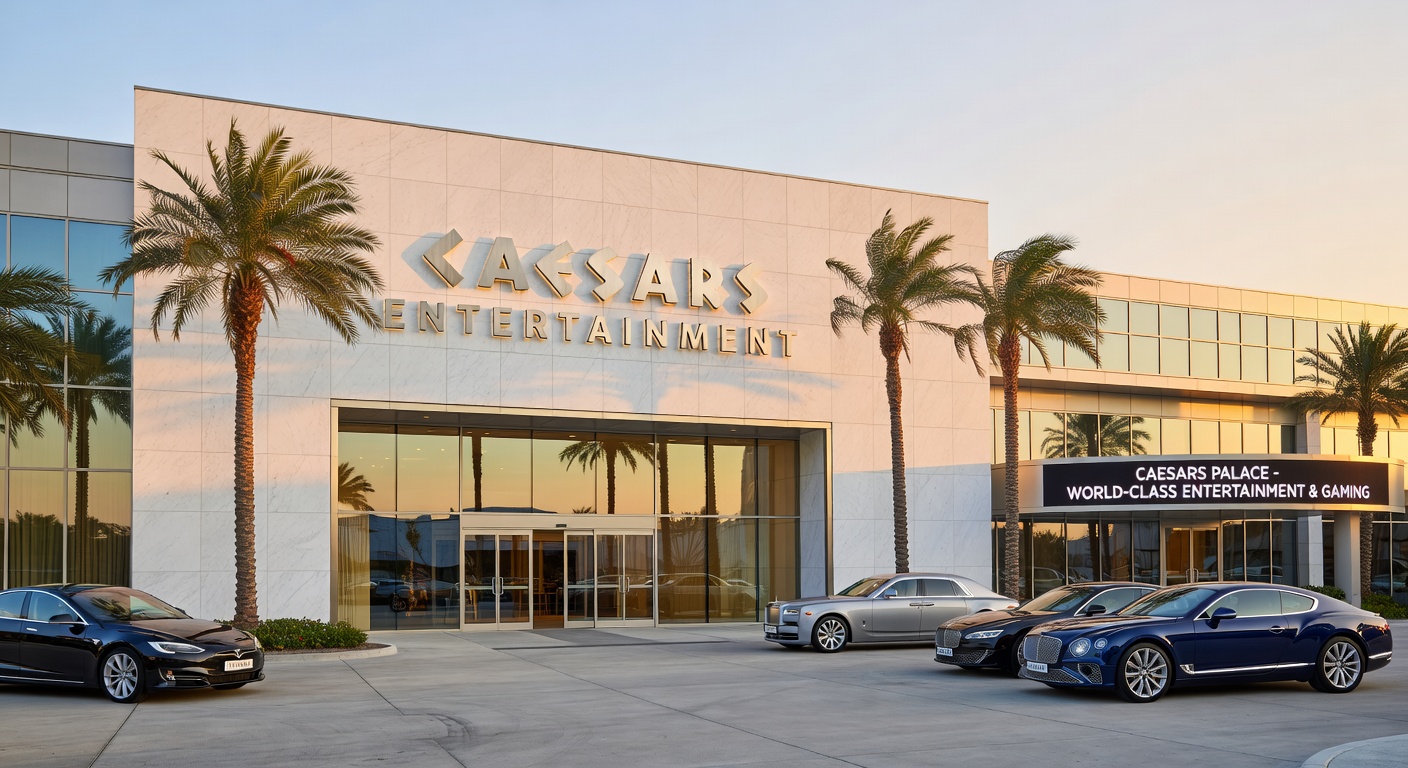
Fertitta's bid for Caesars Entertainment centers on a complete buyout that would end the company's status as a publicly traded entity and shift ownership to Fertitta Entertainment according to reports from the Las Vegas Review-Journal. The proposal arrives amid a pattern of similar take-private moves across the gaming sector where investors seek greater control over long-term strategies without quarterly market pressures. Caesars operates multiple properties along the Las Vegas Strip and maintains a national footprint that includes regional casinos and digital gaming platforms.
The MGM Resorts International Proposal
People Inc. outlined its roughly $18 billion acquisition plan for MGM Resorts International shortly after the Caesars announcement which would consolidate control of the Strip's largest operator under Diller's media and entertainment holdings. MGM Resorts manages flagship venues such as Bellagio, MGM Grand, and Mandalay Bay along with extensive operations in other markets and online betting ventures. The timing of the two proposals highlights coordinated interest from high-net-worth individuals in removing major gaming companies from Wall Street listings.
Regulatory Pathways and Industry Context
Both transactions require clearance from state gaming regulators including the Nevada Gaming Control Board before they can proceed to closing which typically involves background checks on buyers and review of financial terms. Federal antitrust authorities may also examine the deals for competitive impacts given the concentration of Strip properties under fewer owners. Industry observers have noted an uptick in take-private activity because private ownership allows executives to pursue extended capital investments without immediate shareholder reactions to earnings reports.
The proposed structures would leave Caesars and MGM Resorts with new ownership groups that maintain existing management teams while redirecting focus toward property enhancements and expansion projects. Data from recent filings shows these companies carry substantial real estate portfolios and hospitality assets that appeal to private investors seeking stable cash flows from tourism and entertainment sectors. Completion timelines remain subject to negotiation and approval processes that can extend several months depending on the complexity of due diligence reviews.
Broader Trend of Take-Private Deals in Gaming
Market analysts have tracked several comparable transactions in recent years where private equity firms and individual billionaires acquired public gaming companies to streamline operations and reduce compliance costs associated with public reporting requirements. The current proposals for Caesars and MGM Resorts align with this movement as buyers anticipate long-term value from Las Vegas tourism growth and diversified revenue streams including sports betting and entertainment partnerships. Regulatory filings indicate that such deals often include commitments to maintain employment levels and continue capital expenditures at existing properties.
State gaming commissions in Nevada and other jurisdictions maintain oversight of ownership changes through mandatory licensing procedures that evaluate the financial stability and character of new controlling interests. These reviews incorporate input from law enforcement agencies and financial experts to ensure ongoing compliance with anti-money laundering and responsible gaming standards. The outcomes of the Fertitta and Diller proposals will provide case studies for how regulators balance investor interest against public market transparency concerns.
Potential Impacts on Operations and Markets
If approved the acquisitions would consolidate decision-making authority for two of the Strip's most prominent operators under private control which could accelerate decisions on renovations and new attractions without the need for public disclosure of strategic plans. Employees and suppliers might experience continuity in day-to-day operations while corporate governance shifts from boards accountable to shareholders toward direct oversight by the acquiring entities. Financial markets would see reduced trading volume in gaming sector stocks as these major players exit public exchanges.
Timeline and Next Steps
Company boards and special committees are expected to evaluate the offers over coming weeks with potential negotiations on price and terms before any definitive agreements. Regulatory submissions would follow board approvals and involve detailed presentations to the Nevada Gaming Commission along with parallel reviews in other states where the companies hold licenses. Observers anticipate that closing could occur in phases through mid-2026 contingent on all clearances being secured without delays from additional information requests.
Conclusion
The dual proposals from Fertitta and People Inc. represent significant developments in the structure of major Las Vegas gaming operators as both Caesars Entertainment and MGM Resorts International move toward private ownership. Regulatory decisions will determine whether these transactions proceed and reshape ownership patterns across the Strip while reflecting wider industry movement away from public market listings. Continued monitoring of approval processes and subsequent operational changes will provide further details on the outcomes of these specific bids.